
Plant Nutrition & Fertilizers
Flower Booster vs Fruit Booster? 5 Big Differences
Jun
Introduction
Understanding the difference between a flower booster vs fruit booster is essential for gardeners who want thriving plants with maximum blooms and yields. While both products serve important roles in plant nutrition, they are designed for different growth stages. This guide will help you clearly understand the differences between flower booster vs fruit booster to use them more effectively.
Whether you’re growing ornamental flowers or fruit-bearing vegetables, applying the right booster at the right stage can improve plant health, increase productivity, and enhance the beauty and taste of your harvest.
What Is a Flower Booster?
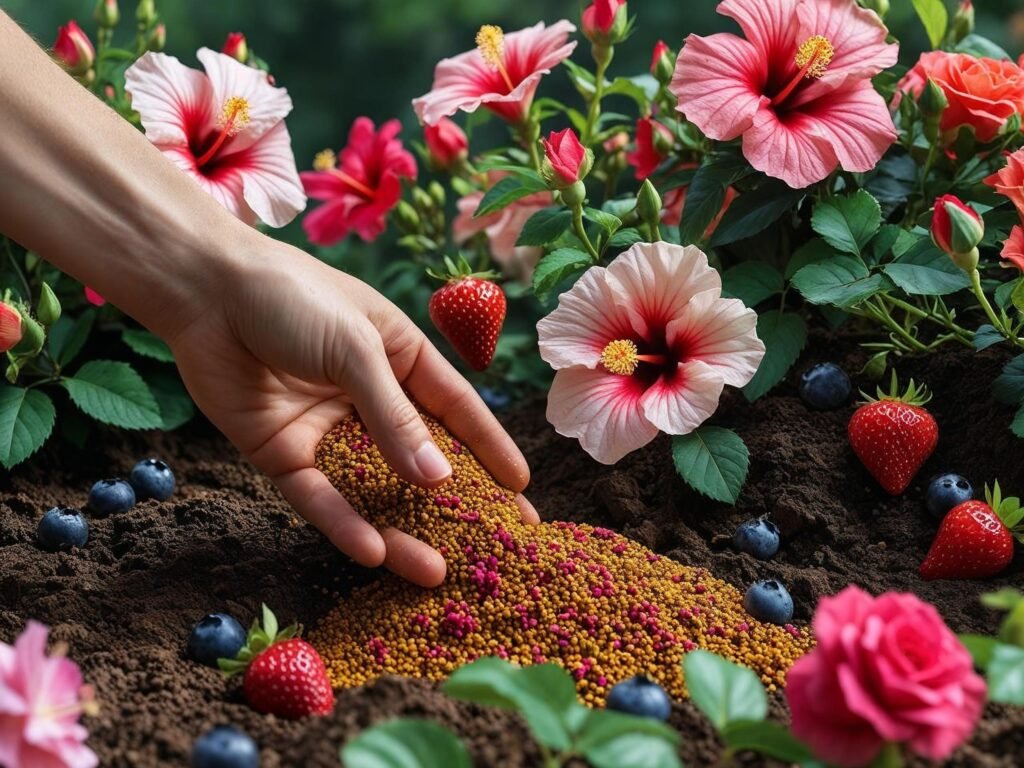
A flower booster is a fertilizer or nutrient mix that promotes flowering in plants. It typically contains high levels of phosphorus (P) and potassium (K), which stimulate bud formation and flower development. Flower boosters help plants channel their energy into producing vibrant and healthy blossoms.
- Primary purpose: Encourages more flower buds and vibrant blooms.
- Best for: Hibiscus, roses, marigolds, jasmine, petunias, and other flowering plants.
- Common NPK ratio: 10-30-20 or similar.
Using a flower booster during the pre-flowering and early flowering stages helps the plant establish strong buds and maximizes the number of flowers. This makes it clear why gardeners should know when to switch between flower booster vs fruit booster depending on the plant stage.
What Is a Fruit Booster?
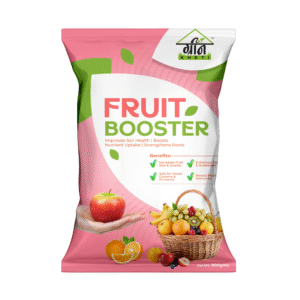
A fruit booster is a specialized fertilizer designed to enhance fruit formation and size. It often contains balanced nitrogen (N), phosphorus (P), potassium (K), calcium, and sometimes magnesium — nutrients that support healthy fruit development and ripening. In the debate of flower booster vs fruit booster, fruit boosters come into play only after flowers have bloomed and fruits start forming.
- Primary purpose: Promotes fruit set, growth, and sweetness.
- Best for: Tomato, brinjal, chili, lemon, citrus, papaya, and fruiting vegetables.
- Common NPK ratio: 8-24-24 or 15-15-30.
Fruit boosters are usually applied after the flowering stage when fruits begin to develop. They help fill out the fruit, improve color and taste, and reduce the risk of deformities or poor yields.
For quick guide to fertilizing plants check University of Minnesota Blog.
Flower Booster vs Fruit Booster – Key Differences
While both boosters are essential for plant development, they differ in their nutrient composition, timing, and purpose. Here’s a quick comparison:
| Aspect | Flower Booster | Fruit Booster |
|---|---|---|
| Main Purpose | Boosts flowering and bud formation | Promotes fruit growth and sweetness |
| Nutrient Focus | High phosphorus and potassium | Balanced NPK + calcium and magnesium |
| Usage Stage | Before and during flowering | Post-flowering and fruit development stage |
| Plant Types | Roses, hibiscus, jasmine, ornamental flowers | Tomatoes, chillies, lemons, vegetables, fruits |
When and How to Use Them
To get the best results, use flower boosters and fruit boosters at the correct time in the plant’s growth cycle:
- Flower Booster: Apply during the budding stage. Mix with water or apply directly to soil depending on the instructions.
- Fruit Booster: Apply once fruits start forming. Continue applications every 15 days until harvest.
Always follow manufacturer dosage guidelines and observe how your plant responds. Overuse can harm rather than help your plants.
Application Tips for Best Results
- Water the soil before applying any booster to avoid root burn.
- Use organic boosters for long-term soil health and microbial activity.
- Apply early in the morning or late evening to avoid evaporation.
- Use foliar sprays for quick nutrient absorption, but avoid during hot afternoons.
- Rotate boosters every 2–3 weeks to match the plant’s growth phase.
Common Mistakes to Avoid
- Using a flower booster during fruiting stage (ineffective or harmful).
- Over-fertilizing — can lead to salt build-up or burnt roots.
- Applying without checking soil moisture — may cause plant stress.
- Confusing flowering and fruiting needs — always read plant requirements.
Organic vs Chemical Boosters
Choosing between organic and chemical boosters depends on your gardening goals. Organic options like compost tea, bone meal, and seaweed extracts are slow-releasing but improve soil over time. Chemical boosters provide faster results but may lead to nutrient imbalance if misused.
- Organic boosters: Sustainable, eco-friendly, soil-enriching.
- Chemical boosters: Fast results, precise formulations, need careful handling.
At GreenKheti, we recommend organic or hybrid approaches to ensure plant health and ecosystem balance.
Buy the Right Booster for Maximum Flowers & Juicy Fruits
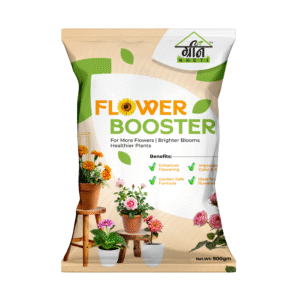
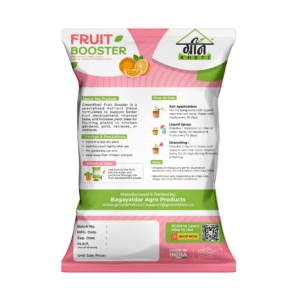
Choose the perfect plant booster based on your garden’s needs. Whether you’re growing vibrant flowers or delicious fruits, GreenKheti’s specialized boosters help you achieve faster growth, better yield, and healthier plants—naturally.
Conclusion
Knowing the difference between flower booster vs fruit booster helps you make smarter gardening decisions. Apply flower boosters for lush blooms, and switch to fruit boosters for rich, tasty harvests. Choose organic when possible, time your applications, and avoid overuse for a healthy, thriving garden.
Need help choosing the right booster for your plants? Explore our full range of plant fertilizers and boosters at GreenKheti.
