

Gardening Tips
Growing Vegetables at Home: 10 Powerful Gardening Tips for Beginners
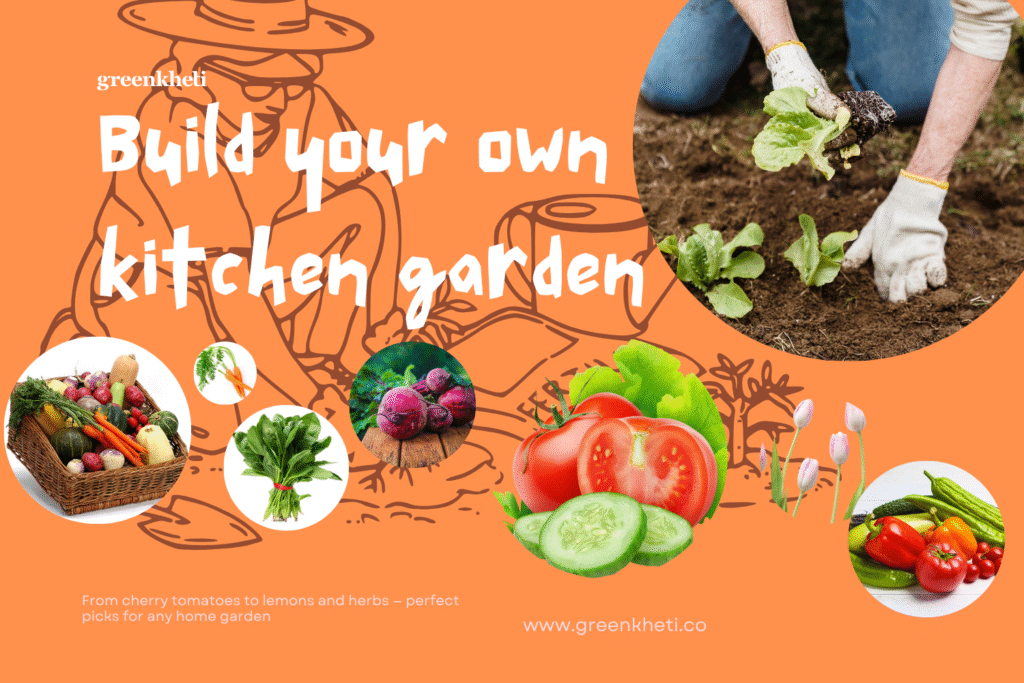
Jun
Why Start Growing Vegetables at Home?
Growing vegetables at home offers numerous benefits — from ensuring pesticide-free produce to saving money on grocery bills. It’s also a rewarding hobby that brings mental peace, physical activity, and a sustainable lifestyle. With rising food prices and limited access to organic produce, growing vegetables at home is becoming a popular choice among urban families.
Whether you have a balcony, rooftop, or small backyard, you can create your own kitchen garden with minimal investment and basic gardening skills.
Essential Tools for Beginners
To get started, you don’t need expensive equipment. Here are the basic tools you’ll need for growing vegetables at home:
- Planters or Grow Bags
- Garden Trowel
- Watering Can or Hose
- Potting Soil Mix
- Organic Fertilizers
- Seeds or Saplings
- Gardening Gloves
Easy Vegetables to Grow at Home
If you’re a beginner, start with these easy-to-grow vegetables that thrive well in containers and require low maintenance:
- Tomatoes – Grow well in pots and sunny spots.
- Spinach – Fast-growing and suitable for small spaces.
- Chilies – Great for balconies and kitchen windows.
- Carrots – Use deep containers and soft soil mix.
- Coriander – Grows quickly and is perfect for fresh garnishes.
Check out our premium potting soil mix for best results.
Step-by-Step Guide to Growing Vegetables at Home
Step 1: Choose the Right Spot
Most vegetables need 4–6 hours of sunlight. Choose a balcony, window sill, or terrace that receives good sunlight.
Step 2: Select Containers
Use pots, grow bags, or recycled containers. Ensure they have drainage holes to prevent waterlogging.
Step 3: Prepare the Soil
Use a rich potting mix that contains compost, cocopeat, and perlite for good drainage and nutrients.
Step 4: Sow Seeds or Plant Saplings
Follow instructions on the seed packet. Keep the soil moist and don’t overwater.
Step 5: Watering and Feeding
Water early in the morning. Feed your plants with organic fertilizer every 15–20 days. Use products like Green Kheti Organic Fertilizer.
Step 6: Monitor Growth and Harvest
Look out for pests. Use neem spray for organic pest control. Harvest when vegetables are ripe.
10 Powerful Gardening Tips for Growing Vegetables at Home
- Choose vegetables that are easy to grow in small spaces.
- Use high-quality organic potting mix.
- Ensure at least 4–6 hours of sunlight.
- Don’t overcrowd your plants; maintain proper spacing.
- Use vertical gardening for small areas.
- Water early and avoid overwatering.
- Rotate crops each season to maintain soil health.
- Use natural pest repellents like neem oil.
- Prune regularly to boost plant growth.
- Avoid chemical fertilizers — go fully organic.
Common Mistakes to Avoid in Home Vegetable Gardening
Even experienced gardeners make mistakes. Watch out for these as a beginner:
- Overwatering — can lead to root rot.
- Planting in poor-quality soil — invest in a good soil mix.
- Neglecting sunlight requirements.
- Using chemical fertilizers — go organic for better results and health.
- Not spacing plants properly — crowding hinders growth.
Conclusion: Start Growing Vegetables at Home Today
There’s no better time than now to start growing vegetables at home. With a few basic tools, the right soil, and a little patience, you can enjoy fresh, home-grown produce throughout the year. It’s not just healthy — it’s deeply satisfying. Get started with your green journey today and turn your space into a mini farm.
For tools, soil, fertilizers, and expert support, visit GreenKheti.
More Guides You May Like:
